How high fashion dictates what millions will wear: the influence of global brands on mass shoe production
Have you ever wondered why certain styles of shoes suddenly become incredibly popular? Or how trends from the catwalks of Dior, Louis Vuitton or Chanel end up on the shelves of ordinary shops? It would seem that fashion shows in Paris, Milan and New York are the world of elite brands, far removed from everyday life. However, it is they who set the tone for everything we wear. Huge fashion houses and sportswear giants such as Nike and Adidas don't just create shoes for the select few. They are true trendsetters, whose designs are subsequently transformed and influence mass shoe production.
From the catwalk to the street: the path of a trend
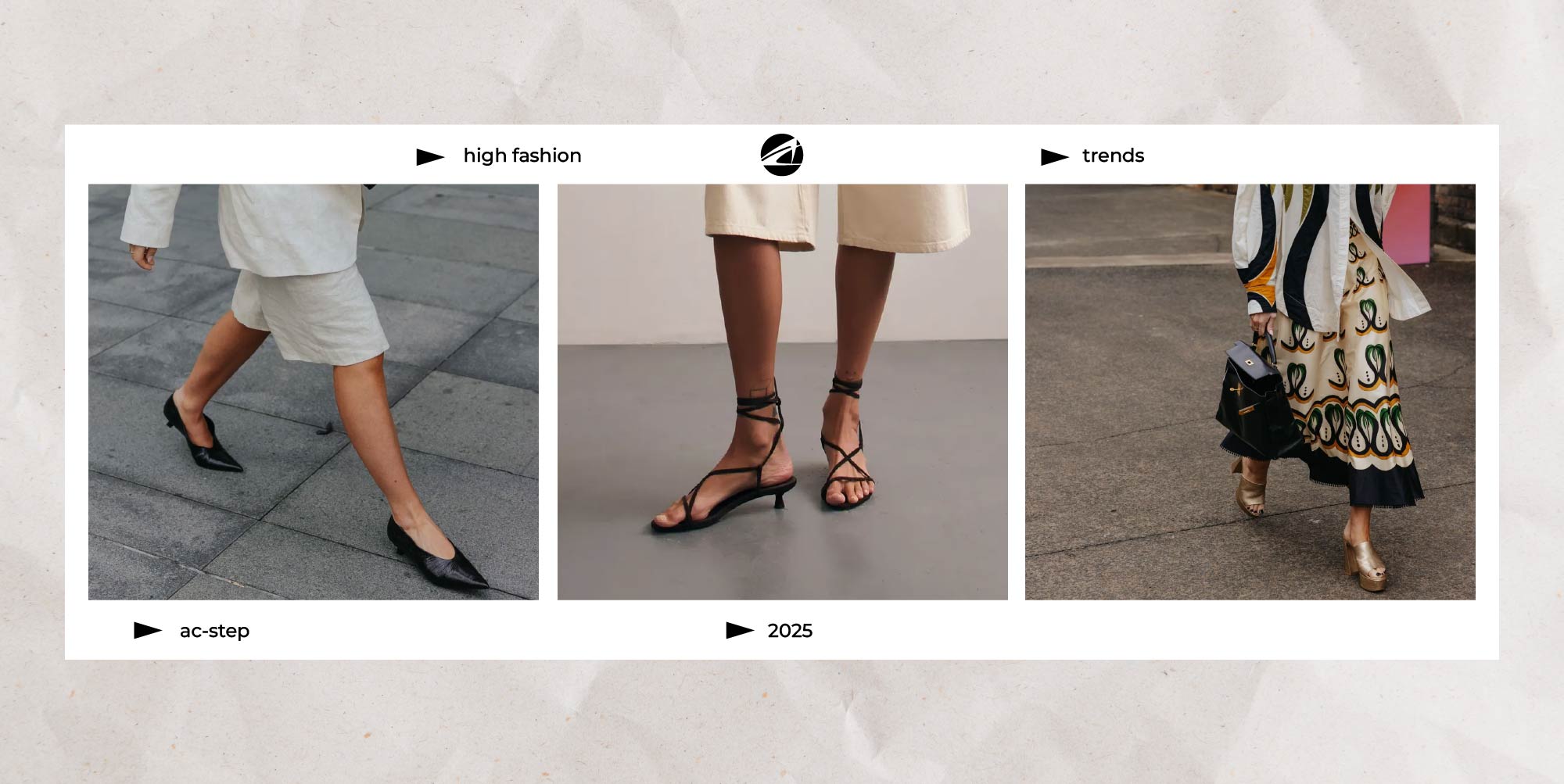
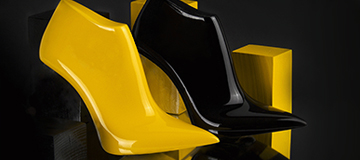
The process by which high fashion influences the mass footwear industry resembles a domino effect. First, designers from leading brands present their latest collections, showcasing innovative shapes, materials and silhouettes. These innovations — whether unusual heels, experimental soles, bold colour schemes or unexpected combinations of textures — instantly attract the attention of designers and manufacturers from around the world. Even if a particular model seems too extravagant for everyday use, it serves as a powerful source of inspiration for the mass market. After a few seasons, key elements of this idea appear in the collections of affordable brands, and footwear component manufacturers actively adapt their lines to new demands.
Take, for example, tabi — shoes with a split toe, inspired by traditional Japanese socks. Initially, this was a niche item introduced by the Maison Margiela brand. However, its uniqueness and recognisability subsequently attracted attention, and now similar Ideas or general concepts for unusual shoe designs are being realised in the collections of more affordable brands.
Another striking example is the return of clogs. These wooden shoes have a rich history dating back to the Middle Ages, when they were practical footwear for the working class, providing protection and warmth. Later, they were worn by hippies and members of subcultures. However, thanks to creative reinterpretation and styling by leading designers, clogs have made a triumphant comeback, taking their place in the wardrobes of fashionistas and then on the shelves of mass retailers.
Materials and innovation: when quality becomes affordable
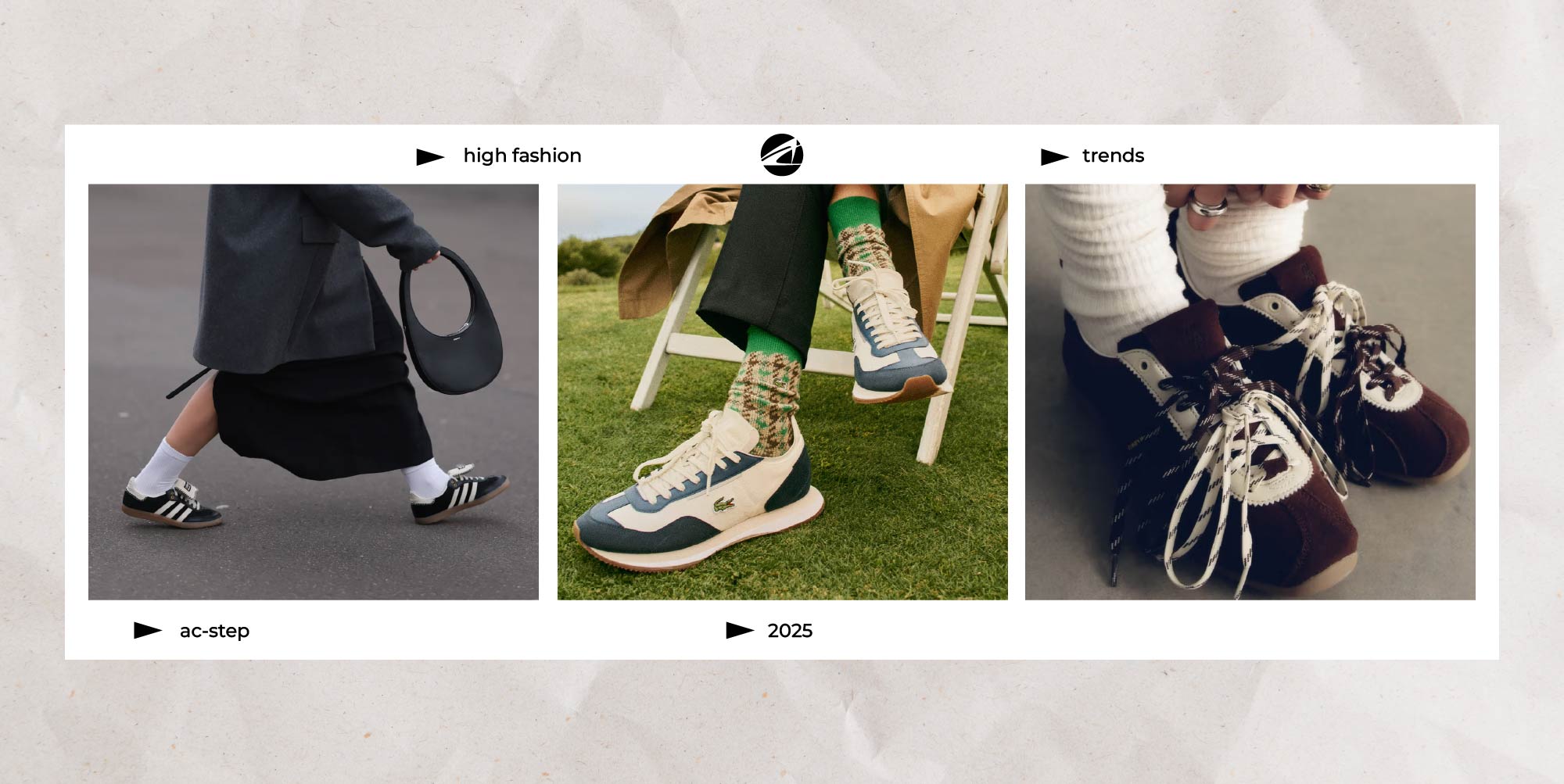
The influence of high fashion is not limited to design. It significantly transforms the approach to the selection and development of materials. When elite brands experiment with new technologies or use innovative fabrics, this stimulates their widespread production and, as a result, reduces their cost.
The materials used to make shoes are another area where fashion dictates the rules of the game. Whereas in the past the emphasis was mainly on durability, today it is increasingly on visual effect and environmental friendliness. In the world, as in Ukraine, clothing made from recycled materials, organic fabrics and natural fibres is growing in popularity. Chanel and Gucci are actively experimenting with vegan leather, which is encouraging mass producers to consider alternatives to natural materials. This is changing the range of suppliers — new types of lightweight and water-resistant fabrics are appearing on the market. The demand for environmentally friendly and ethical products is forcing even small brands to adapt their business models.
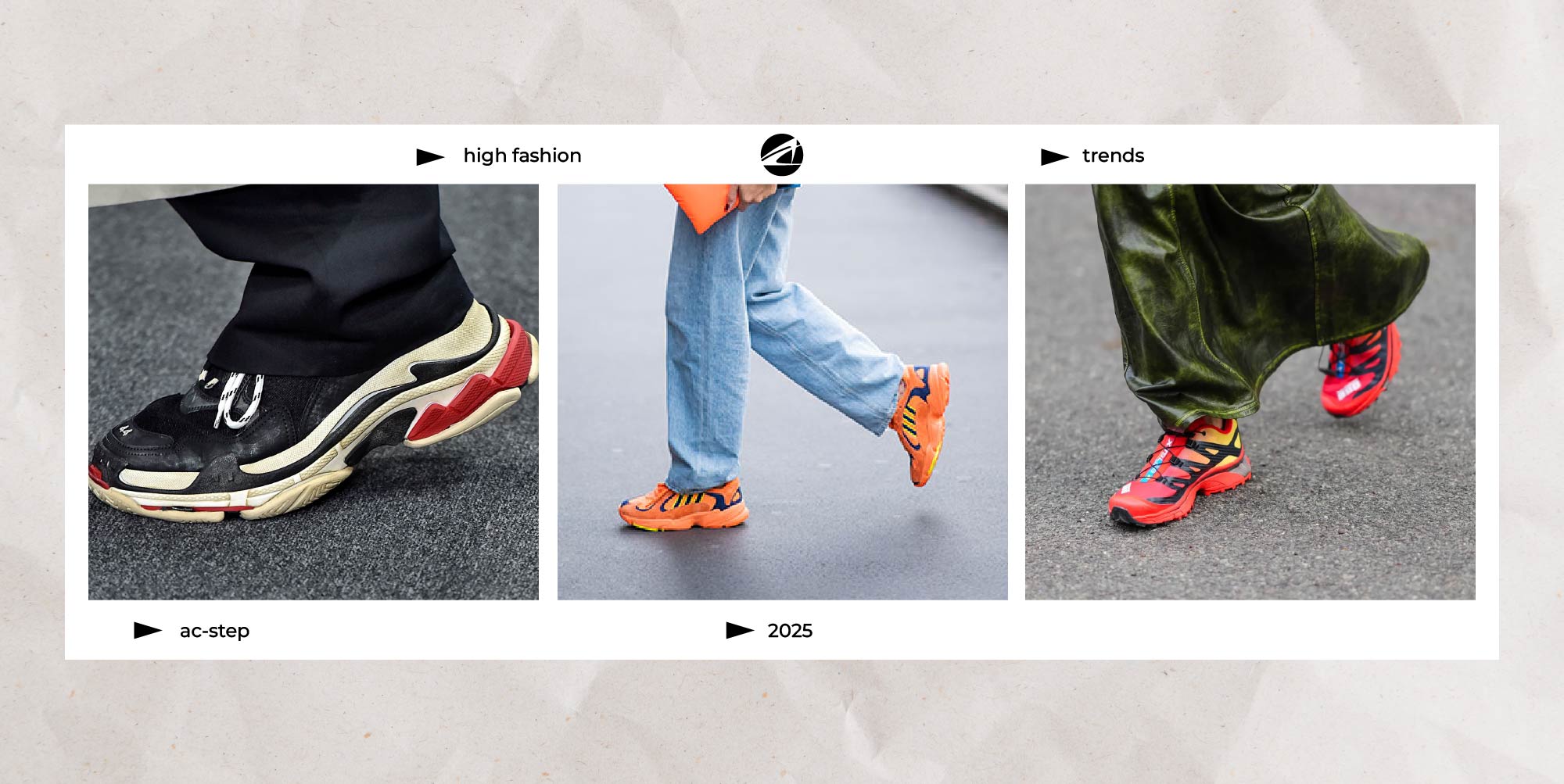
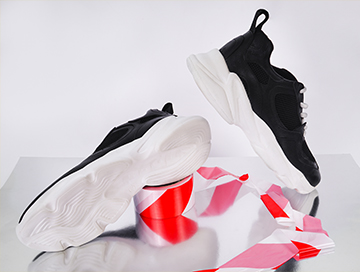
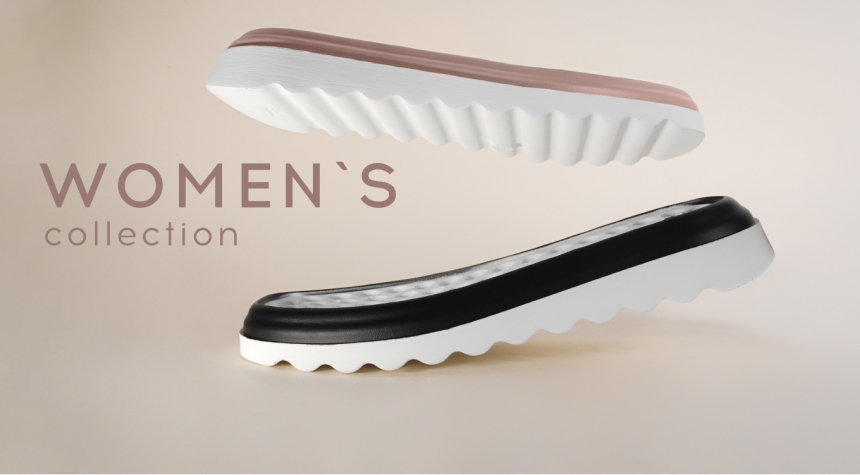
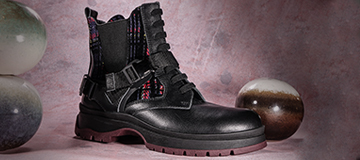
This is especially true for soles. For example, influenced by the trend for chunky shoes, which has been observed in recent years and popularised by brands such as Balenciaga and Dior, there has been an increased demand for lightweight but voluminous soles. In response, component manufacturers have begun to actively create two-layer (two-component) soles, where the upper layer provides comfort and the lower layer provides durability. In the sports segment, companies such as Puma and Hoka not only emphasise aesthetics, but also promote cushioning technologies, which also significantly changes the requirements for materials.
Innovations in the field of materials for soles and uppers often start with expensive, exclusive developments. However, thanks to scaling and growing demand, these materials subsequently become more accessible for mass production of footwear. This means that mid-range footwear can have significantly better quality and durability than a few years ago. For example, special types of rubber, foamed materials, and membrane fabrics, which were originally the prerogative of the premium segment, are now actively used in everyday footwear.
Why is this important for manufacturers?
For footwear manufacturers — both large factories and small brands — it is critical to stay abreast of global changes. Even if you don't create ‘high fashion,’ your customers are guided by what they see in street style, Instagram, or TikTok. They want comfortable, durable shoes that also look trendy. The success of brands today depends on their ability to integrate modern technologies, adapt to changes, and meet the demands of a new generation of consumers.
That is why it is important to choose soles, accessories, leather, and textiles with fashion trends in mind. Companies that sell footwear components are the link between the idea and its implementation. We are constantly updating our range, adding the latest sole shapes, innovative materials and details that help to create trendy footwear even on a budget.

Your choice, inspired by the world of fashion
So, we can safely say that the world of high fashion and sports giants is the real driving force behind progress in the footwear industry. They not only set visual trends, but also influence technology and materials, making higher quality and more innovative footwear available to a wider range of consumers.
When buying shoes, remember that behind their design and functionality lies a complex history of influence, innovation and adaptation. This process begins on the catwalks of the world's fashion capitals and ends on the shelves of your favourite shops. And every component, from the sole to the last thread, is the result of this fascinating process.
Fashion is not just about spectacular shows. It's about the choices we make every day. And if you work in the footwear industry — from design to pattern making or material selection — knowing about the influence of the fashion industry becomes not just interesting, but strategically important.










.jpg "Как найти надежного поставщика комплектующих для обуви?")