How 3D modelling is transforming the production of lasts and soles
The footwear industry is undergoing rapid change today — and technology is the main driving force behind these changes. Whereas the creation of lasts and soles once required weeks of manual labour, this process has now been significantly accelerated thanks to digital technologies. One of the key innovations to have influenced footwear design and production is 3D modelling — a tool that combines precision, speed and flexibility.
What is 3D modelling in footwear production?
3D modelling involves creating a digital three-dimensional model of a last or sole using specialised software. Such models contain precise parameters for geometry, volumes and surfaces. As a result, the designer can visualise the future product even before it goes onto the production line or into a mould.
This makes it possible to:
- see the finished result before physical production begins;
- make changes quickly;
- check the compatibility of components;
- prepare the model for production or 3D printing.
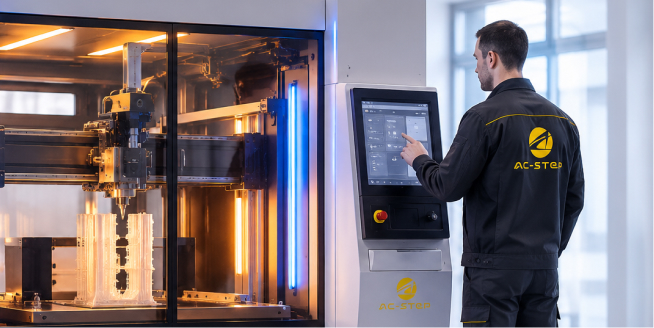
Advantages of 3D modelling in last design
1. High precision and repeatability.
The digital model fully corresponds to the specified parameters — this guarantees a correct fit and comfort of the footwear.
2. Time savings.
The process of manually developing last models, which previously took weeks, is reduced to a few days thanks to 3D modelling and 3D printing.
3. Customisation.
The ability to create size gradations or bespoke lasts for specific brands or models, as well as orthopaedic lasts based on 3D foot scans.
4. Visualisation for the client.
Brands can view the future result in 3D before production begins — and save on adjustments.
5. Integration with production.
Files from the software are sent directly to CNC machines, ensuring the accuracy and consistent quality of samples.
How 3D technologies are transforming sole production
Modern 3D tools allow the creation of soles of any complexity — from lightweight sports models to complex designs with zones of varying hardness.
This opens up a wide range of opportunities for optimisation:
design — checking thickness, flexibility and surface grip.
ergonomics — modern tools allow for the anatomical features of the foot to be taken into account, making footwear more comfortable.
preparation for mould making — creating technical drawings without the need for additional manual finishing.
prototyping — printing test samples to verify design and ergonomics before launching mass production.
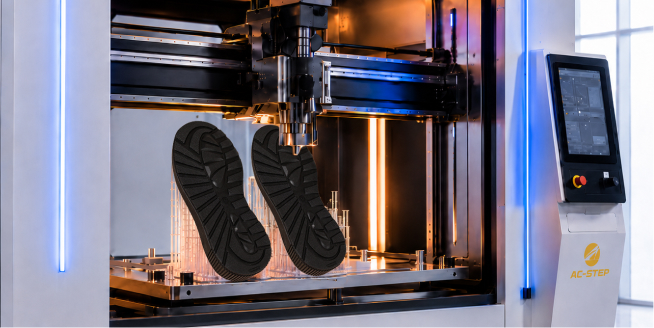
3D printing in the footwear industry
Today, 3D printers are widely used in the production of soles, heels and even upper components.
They enable:
the creation of prototypes to test design and functionality;
the production of lightweight lattice structures that reduce the weight of the sole;
a reduction in the cost of test samples;
the printing of support elements and moulds for polymer casting.
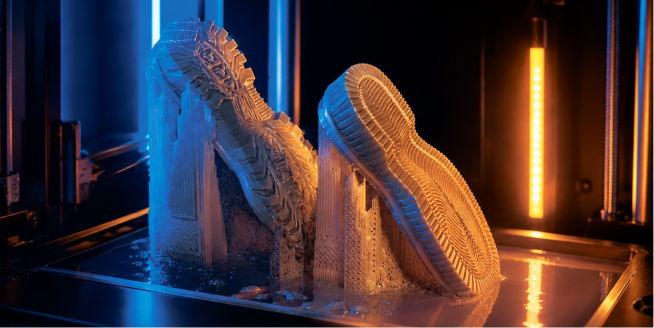
The example of AC-Step
At AC-Step, 3D modelling technologies have become an integral part of the production process.
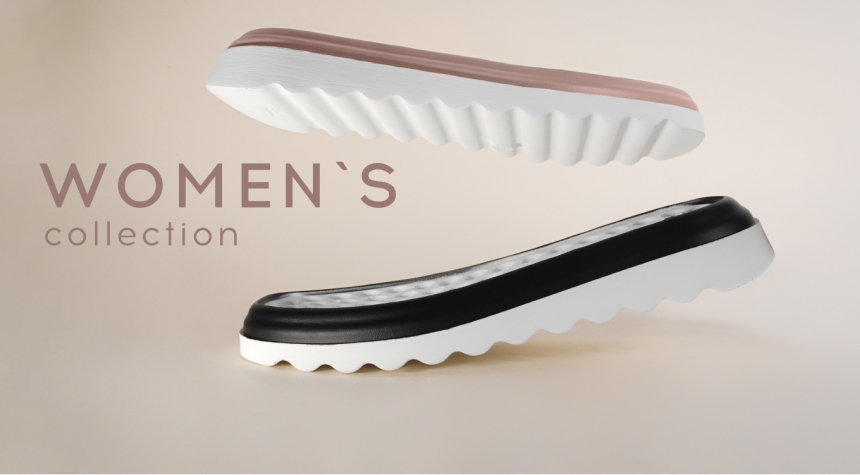
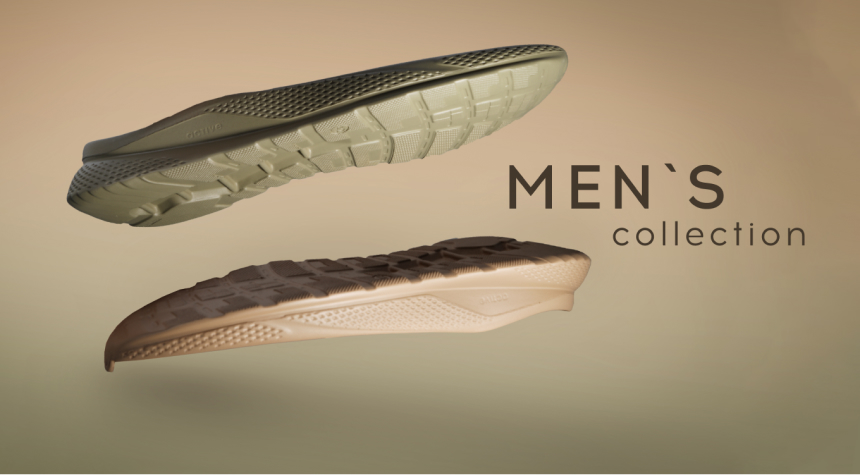
Thanks to 3D modelling, we develop Ital Step lasts and soles made from EVA, PU and TR, as well as heels, with maximum precision and speed. This enables us to create bespoke solutions for brands that value a combination of aesthetics, comfort and technological innovation.
Our partners receive products that meet modern standards of quality, design and efficiency — an advantage that is crucial in today’s market.
3D modelling opens up new possibilities for the footwear industry.
This tool combines design, ergonomics and technology into a single system, enabling the creation of products where every detail is thought through down to the millimetre. For Ukrainian companies, this is a step towards improving efficiency, competitiveness and alignment with European quality standards.









.jpg "Стойкость в огне: как украинские производители поддерживают экономику в условиях войны")
